Informing vs communicating: a key communication strategy difference
Many organisations continue to produce reports, press releases and content on a constant basis. However, in spite their efforts, their messages do not always generate impact, understanding or engagement. In most cases, the problem is not the amount of information, but the way it is communicated.
Understanding the difference between informing and communicating is key to developing an effective communication strategy that can connect with the audience, reinforce credibility and contribute to an organisation’s strategic objectives.
Informing vs. communicating: what is the difference?
Informing consists of conveying data, facts or figures objectively. It is mainly a one-way process, where the sender shares information without necessarily seeking a specific reaction from the receiver.
Communicating, on the other hand, involves designing a message with intent. It is not just about what is said, but how, to whom and for what purpose. Communicating seeks to generate understanding, arouse emotions, build trust and, in many cases, motivate action.
For example, a report may present figures on climate change, a company’s emissions or progress in sustainability. A communication strategy transforms that data into messages that are understandable and relevant to different audiences, using storytelling and the appropriate channels to generate real impact.
Why is informing not enough today?
We live in a context of constant information overload. Audiences receive thousands of messages every day and only pay attention to those that are relevant, clear and credible to them.
Simply informing no longer guarantees that a message will be understood, remembered or valued. Without a well-defined communication strategy, content runs the risk of going unnoticed or failing to correctly convey the value of an organisation, its actions or its commitment.
Today, communicating involves:
- Adapting the message to each audience.
- Translating complex data into clear ideas.
- Building a coherent and consistent narrative over time.
- Reinforcing brand positioning and reputation.
The importance of having content experts
Developing strategic content goes far beyond writing clear texts or designing attractive materials. It requires a deep understanding of the audience, the organisation’s objectives and the context in which it communicates.
Content experts combine writing, storytelling and strategy skills with knowledge of audience psychology, data analysis, design and channel planning. Their work transforms technical or complex information into messages that connect, build trust and reinforce credibility.
Having specialised professionals also helps to avoid common mistakes such as confusing messages, narrative inconsistencies or reputational risks, especially in sensitive areas such as sustainability.
Communication and sustainability: a strategic link
At a time when sustainability, as well as social and environmental responsibility are central to the public and business agenda, communication becomes a strategic tool for change.
Organisations committed to the Sustainable Development Goals (SDGs) need to communicate their actions in a transparent, rigorous and understandable way.
It is not just a matter of reporting on initiatives or results, but of explaining their impact, contextualising them and aligning them with a clear purpose.
Poorly planned communication can lead to mistrust or accusations of greenwashing. Conversely, a well-designed communication strategy reinforces legitimacy, reputation and the ability to inspire other actors.
How to plan your sustainability communication in 2026
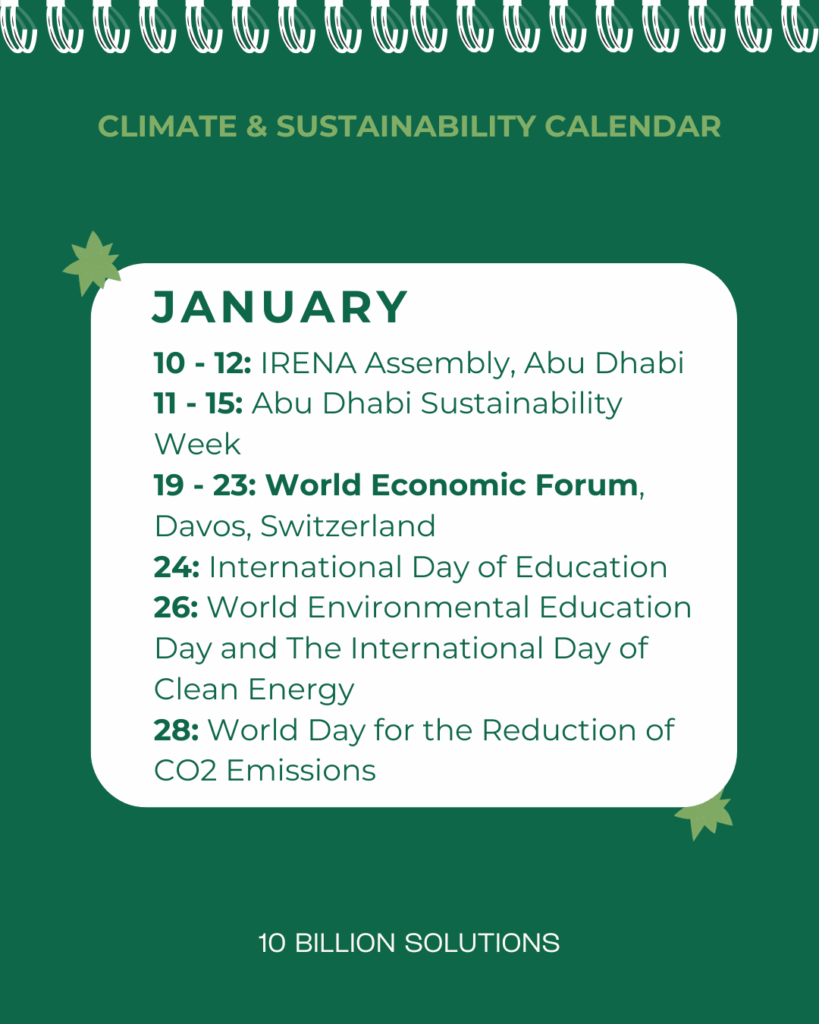
Understanding the difference between informing and communicating is the first step, but creating real impact also requires long-term planning. In sustainability and climate communication, anticipating key moments allows organisations to build coherent narratives, seize strategic opportunities and avoid last-minute improvisation.
To support this process, we have created a practical resource gathering the main dates, events and milestones of the year: the 2026 Sustainability & Climate Communication Calendar. A tool designed for communication professionals, institutions and organisations looking to structure their strategy and align their content with the global climate agenda.
Discover and download it here.
How can a professional communication strategy help you?
A professional communication strategy allows you to move from simply transmitting information to communicating with impact. It helps you define key messages, select the most appropriate formats and channels, and build a coherent narrative aligned with your organisation’s values and objectives.
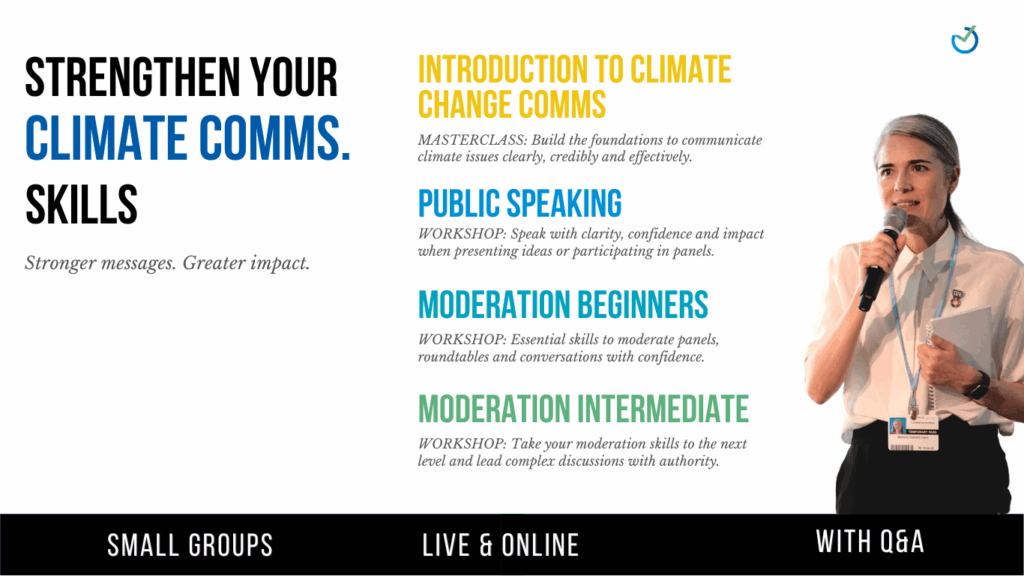
In the field of communication and sustainability, collaborating with specialised teams such as those at 10 Billion Solutions allows you to develop strategic content that informs accurately, communicates clearly and contributes to generating social and environmental impact. From designing communication strategies to creating content, moderating events or providing support in complex processes, our services are designed to adapt to the real needs of each organisation.
For those seeking initial guidance or answers to specific questions, we offer a micro-consulting service in communication, with sessions already available for January and February. These are quick, flexible meetings adapted to the client’s schedule, in 30-minute or 1-hour formats, with no obligation and designed as a practical guide to move forward with greater clarity.
If you prefer, you can also contact us directly via the floating WhatsApp button, email us at admin@10billionsolutions.com or send us a message to explore how we can help you improve your communication strategy.
The difference between informing and communicating is not just conceptual. It is a strategic decision that can make the difference between being visible and being relevant, between complying and generating real change.
Case studies: how we transform information into impactful communication
Understanding the difference between informing and communicating is key, but even more important is seeing that difference in action. To illustrate how a well-designed communication strategy can generate real results, here are examples of case studies that show 10 Billion Solutions’ practical approach and how we help different organisations connect with their audiences and amplify their messages.
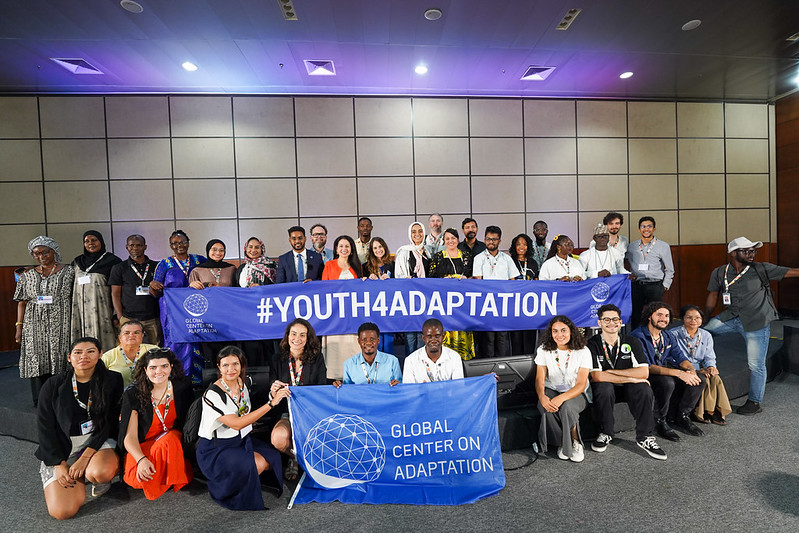
Comprehensive communication campaign for climate adaptation (Global Centre on Adaptation)
In collaboration with the Global Centre on Adaptation (GCA), 10 Billion Solutions developed a comprehensive communication campaign focused on highlighting climate adaptation and the role of youth in this area. This project included event coverage, photography and video production, social media management, and strategic support at various key moments, such as the Youth Dialogue prior to the African Adaptation Summit and during COP27, COP28, and COP30. The result was greater visibility for GCA’s initiatives, especially around youth mobilisation and the urgent need to increase funding for climate adaptation.
You can see the full case study here.
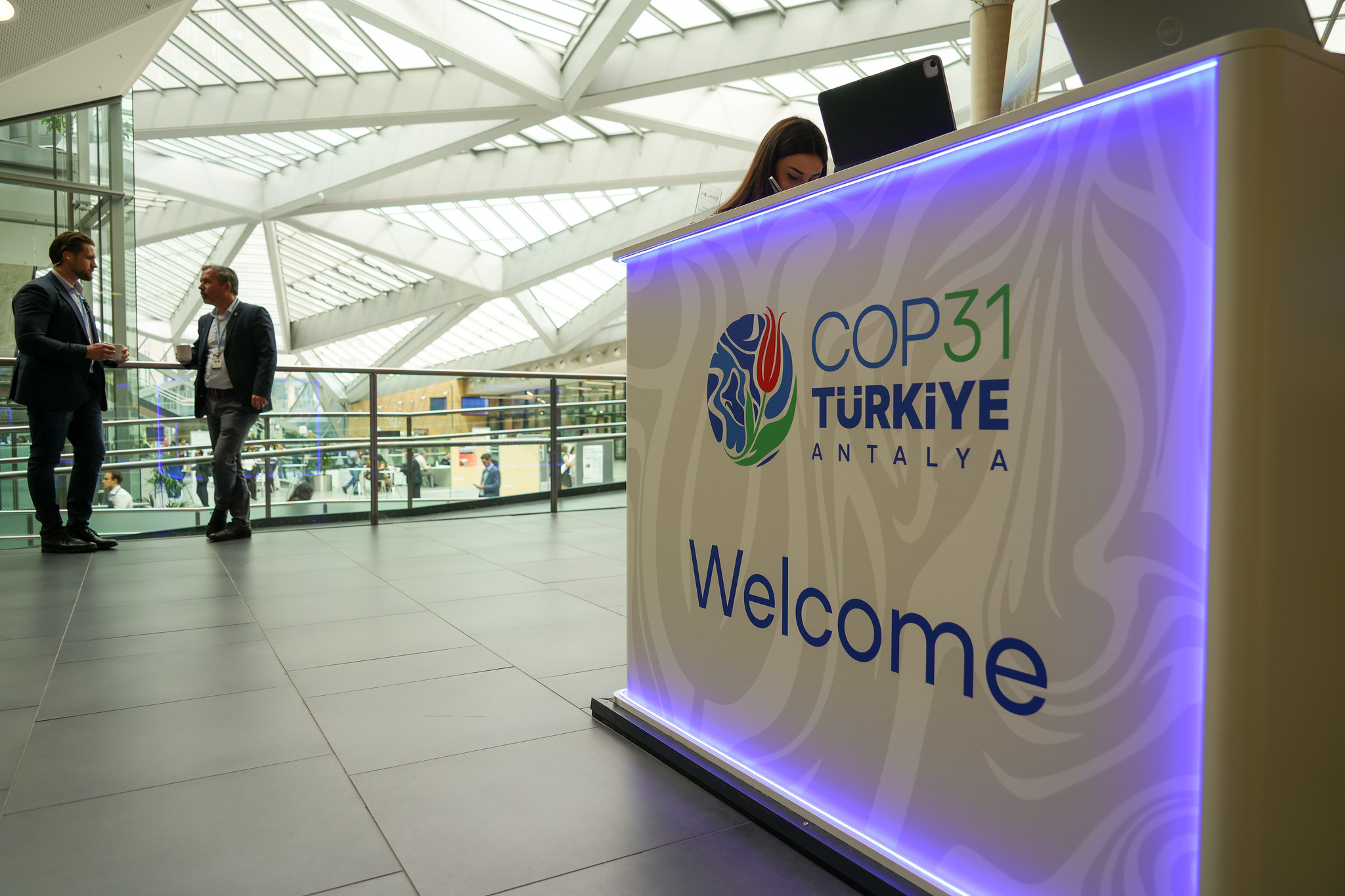
Communicating climate action from the heart of the COPs
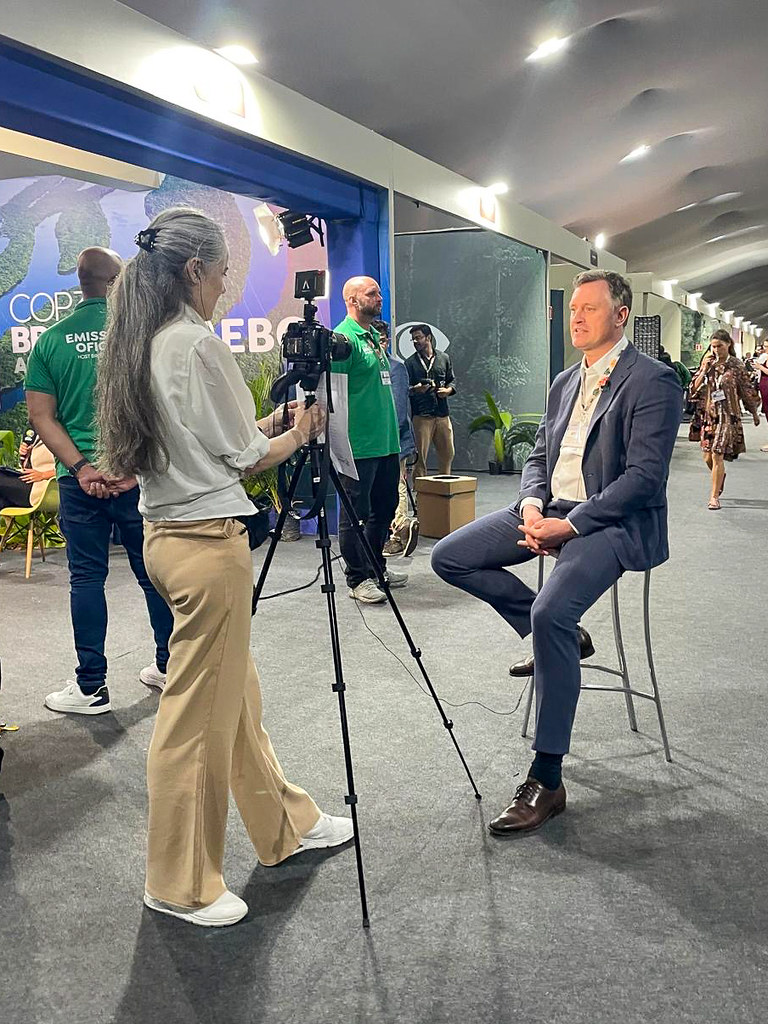
In the context of the Conferences of the Parties (COPs), where climate change negotiations are complex and saturated with messages, 10 Billion Solutions has worked for years to advise multiple organisations on strategic communication, event production, moderation and audiovisual content generation. Our approach combines strategy, creativity and on-the-ground execution to amplify our clients’ voices and position key messages in spaces of maximum visibility.
Discover this case here.
More case studies showcasing our approach
In addition to the above cases, our website features a more extensive collection of case studies covering different aspects of climate and sustainability communication, from moderating global events to narrative projects for climate transparency and energy efficiency.
See all case studies here.