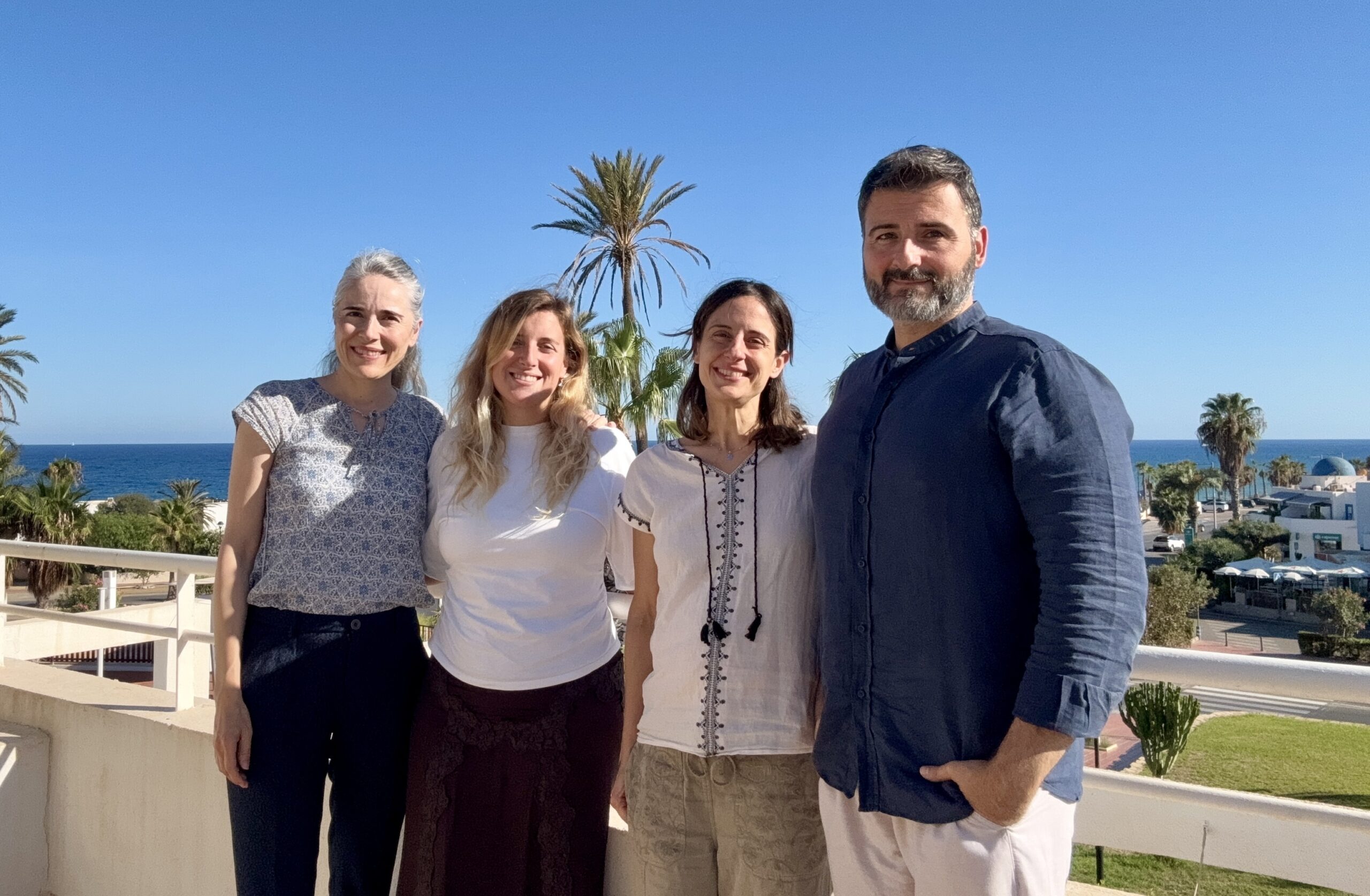
The biggest climate event of the year, COP31, opens on 9 November in Antalya, Türkiye. Here are ten things worth knowing before the begining of the 31st edition of the annual UN Climate Change Conference. Our team at 10 Billion Solutions will be on the ground in Antalya, covering the talks and translating what happens.
1. The dates and the unusual set-up
COP31 runs 9–20 November, with a leaders’ summit on 11–12 November and a business forum on 12–13 November. Türkiye and Australia both had bid to host this COP and they found a compromise: Türkiye is the physical host and designs the agenda of the COP with Murat Kurum, minister of Environment, Urbanization and Climate Change as president-designate at the helm; while Australia leads the talks, with Chris Bowen, minister of Climate Change and Energy as President of Negotiations.
2. The Fiji Pre-COP set the tone
Last week’s Pre-COP closed on 8 October with about 4,000 participants from more than 100 countries. According to Fiji’s Lynda Tabuya, it adopted no decisions, as the pre-COP is a gathering where positions are discussed in an attempt to smooth dissagreements. Minister Kurum called 1.5°C “a matter of survival”, and UN Climate Change Executive Secreatry, Simon Stiell, said COP31 must turn promises into results through faster, broader access to affordable finance. Australia signed the first Global Rooftop Solar Pledge, aiming for 300 million panels by 2030. Who pays for the impacts of climate change, in particular in the countries that have contributed less to global warming, will be on the table. As an example, over US$16 billion has been committed to Pacific countries since the adoption of the Paris Agreement in 2015, but US$5 billion remain undisbursed. Want to know more? E3G’s analysis is a good summary.
3. The science: 1.5°C limit will be crossed
On 2 September, UNEP’s Limiting Overshoot report said the world will cross the 1.5°C temperature limit “likely within the next few years”. The best-case scenario peaks at 1.8°C. The UN calls for an “overshoot, peak and decline” path and warns of rising tipping-point risk, including ice sheets, the Amazon and Atlantic circulation. Read how Nature said the goal is “officially dead”.
4. Adaptation: stuck on indicators and money
The Global Goal on Adaptation arrives to COP31 without agreed text. There are two disputes since last year’s COP30 in Brazil: One is whether the indicators group is Party-led or expert-led; the other is whether to reference the COP30 pledge to triple adaptation finance by 2035, which several developed countries oppose. On 16 October, the World Resource Institute organises a briefing call for journalits ahead COP31 and adaptation will be on the agenda: register here.
5. Mitigation: ambition versus talk-shop
COP31 is labelled as an implementation COP, this means that emphasys is on accellerating action rather than making new promises or setting new goals. The so-called mitigation work programme, which is the part that governments discuss to send political signals to the rest of the world and the real economy, is also carried over to COP31. The core divide is whether the UNFCCC Global Stochtake and transparency processes truly drives emissions cuts or is just a space for exchanging views and information. This COP is expected to see serious talks in the action agenda on how to accellerate the decarbonisation of the so-called hard to abate sectors such as heavy industries like cement or steel.
6. Finance: the money question
Two years ago, at COP29 in Baku, countries set a goal of reachin US$300 billion in climate finance every year by 2035. Developed countries say they are giving record support of US$136.7 billion in 2024, while developing countries say aid cuts are eroding the finance goal. Rather than focussing on the public money rich countries are putting on the table, those nations want to use COP to send signals to mobilise private money and accellerate the transition to a clean economy.
7. Fossil fuels: the roadmap in the corridors
Fossil fuels are not a formal agenda item. In April, 57 countries met in Santa Marta, co-hosted by Colombia and the Netherlands, to work on national roadmaps, finance reform and trade. The COP30 presidency’s informal fossil-fuel roadmap is due at COP31 and had 21 submissions by June. Saudi Arabia opposed “cherry-picking” from the first Stocktake’s outcome. Fossil fuels as primary driver of climate change continue to be the elephant in the room of the climate negotiations.
8. The rest of the agenda: stocktake, just transition and trade
The second Global Stocktake starts at COP31 and culminates at COP33 in two years, with a dispute over whether the next IPCC report should feed into it or not. On just transition (how to give alternatives to economic sectors, workers and communities strongly impacted by the transition), the last conference in June in Bonn agreed a mandate to review the work programme, after COP30 decided to develop a mechanism. The first climate and trade dialogue was held, and developing countries criticised trade-related climate measures.
9. The action agenda: voluntary targets for 2035
The Global Climate Action Agenda launched its first work programme on 6 August, led by High-Level Champions Samed Ağırbaş and Dan Ioschpe with the Marrakech Partnership. For COP31, the Turkish presidency’s ten priority themes include that electricity accounts for 35% of final energy mix by 2035, at least 25% lower building energy intensity and a “Climate Implementation Bridge” turning national plans into finance-ready projects. But these pledges will not be negotiated therefore will only be voluntary. On transparency, countries are urged to submit their second Biennial Transparency Reports by 31 December. Learn more: Together4Transparency.
10. Climate weeks are multiplying
If the climate COPs are the most important climate gatherings of the year, they are not the only ones. Since over a decade now, many non-negotiation climate conferences take place around the world. London Climate Action Week ran 20–28 June, UNFCCC Climate Weeks took place in Yeosu (21–25 April) and Baku (7–11 September), and Climate Week NYC ran 20–27 September. Also local chapters are being held for the first time in many cities like Brussels (12–16 October) and Munich (19–25 October).
How to follow COP31
For journalits on site: Apply for accreditation through the UNFCCC registration system.
If you are not travelling to Antalya, you can follo online: all plenaries will be webcast, with a live schedule. Many side events and pavilions have their own streaming. Watch out the UNFCCC website.
We recommend you to follow: Climate Home News, Carbon Brief and the Earth Negotiations Bulletin for daily coverage, along with E3G. See daily updates from seasoned climate reporters like FT’s Pilita Clark or the Guardian’s Fiona Harvey.
We will be on the ground: the 10 Billion Solutions team will be in Antalya, covering the COP and translating talks and events into understandable and relatable information people can act on what matter most. Follow us on social media, contact us and subscribe to our newsletter. See how in this page.